Mozambique is a mosaic of turquoise waters, vibrant cultures and extraordinary wildlife, both above and below the sea. Travelling to the heart of Mozambique’s marine biodiverse ecosystems, Guinjata region, where beautiful coral reefs, local mangroves and a unique range of marine life are all interconnected, we will deepen our understanding of intricate coastal ecosystems. The 11-day and 14-day trips offer a unique blend of hands-on learning experiences, meaningful marine conservation work and spectacular marine wildlife spotting.
Dive into New Skills: PADI Qualification
Mozambique provides students with the chance to develop their scuba diving skills surrounded by rich marine biodiversity, with the 14-day trip offering students the opportunity to earn their PADI (Professional Association of Diving Instructors) certification, a globally recognised qualification that builds confidence and teaches critical safety and marine awareness skills.
Students are supported by PADI certified instructors to combine taught theoretical knowledge with active, practical learning in the biodiverse waters of the Mozambique coast. This certification not only gives students a lifelong qualification but also expands their understanding of marine science, the physics involved in diving and environmental stewardship.
Dives will be tailored based on the group’s interest and may include deep, navigation, or drift dives encompassing many different aspects of adventure diving.
During the 11-day trip PADI certified students will also have the opportunity to enhance their scuba diving skills with optional dives, whilst other students can similarly explore by snorkelling on ocean safaris.
Meaningful Conservation Work
Having explored Mozambique’s beautiful coast, the conservation workshops will build on students’ understanding and appreciation of their surrounding environment by focusing on the key environmental threats that this coastline and ocean faces.
The hands-on beach clean-ups show the reality of these threats as we help clear up the ocean plastic pollution. Working in collaboration with local marine biologists, we will play a crucial role in conserving the ecologically important reefs by assisting with the removal of ghost nets and discarding fishing gear from the reef.
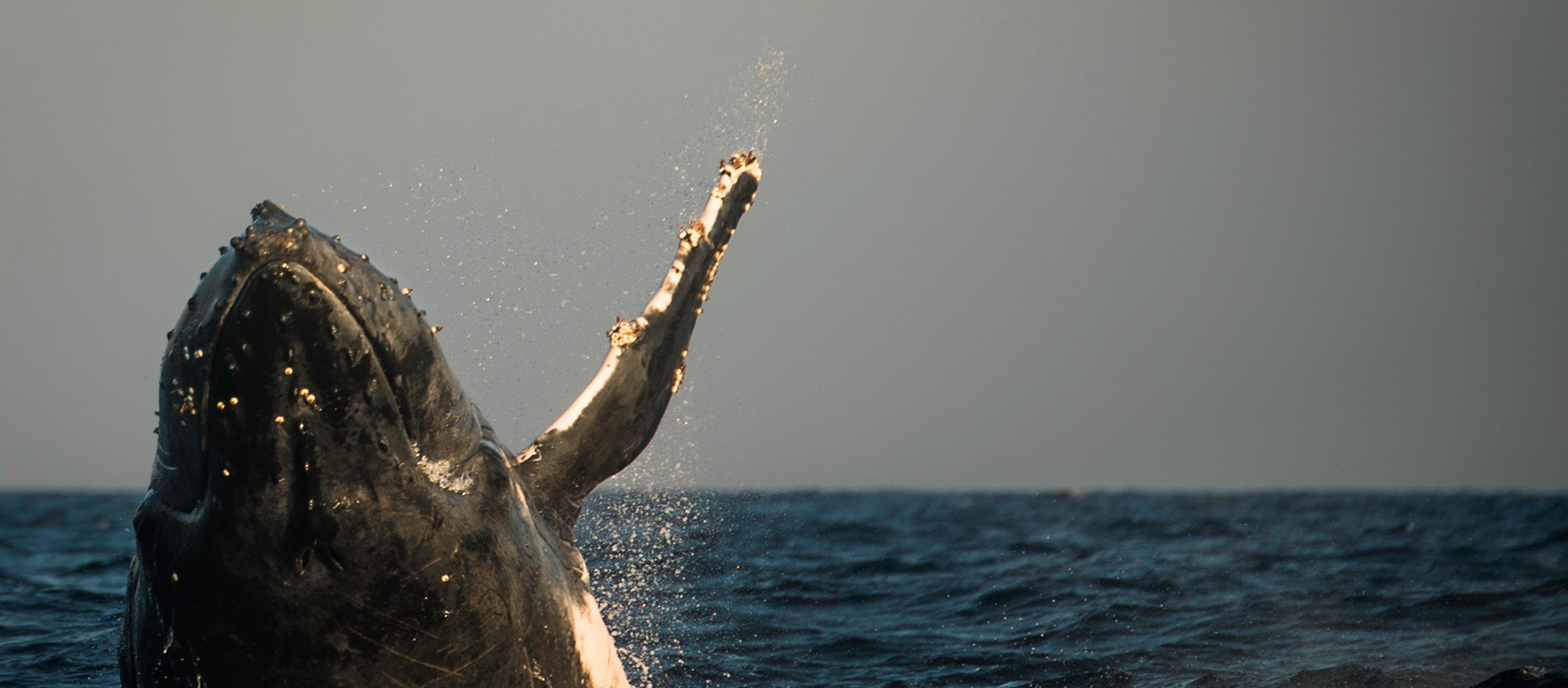
Whales play a vital role in Mozambique’s ecosystem, and so, after learning about humpback whale behaviour and their vocalisations, we will head out on an ocean safari, either helping with whale identification, bioacoustics monitoring or return back on land to carry out land-based whale surveys.
Meeting with local conservation workers will provide us with a deeper understanding of how science and communities work together towards a healthier ocean. Drawing all our conservation experiences together with a science communication workshop, we will learn how to tell conservation stories effectively.
Cultural Immersion
A cultural workshop or tour led by a local guide will offer an insight into Mozambique’s dynamic pace of life. We will also see how Mozambique’s cuisine is a blend of different cultures with Portuguese, African and Indian influences. Discovering the important local community work will demonstrate how our conservation work contributes to the bigger picture of local conservation efforts. These cultural exchanges will complement the expedition’s scientific and adventurous sides, by fostering cultural awareness and respect.
Paddleboarding with Whales, Surf and More
Share the ocean with the whales by jumping on paddle boards and exploring the local waters, paddleboarding alongside whales. These paddleboard sessions will hopefully allow us to observe these giants at surface level, putting into perspective all the knowledge absorbed about whales from the conservation work.
A morning spent kayaking through a local mangrove estuary system will consolidate our understanding of mangroves’ vital role in protecting the coastline and their contribution to climate resilience.
Surfing, another staple of the itinerary, provides an exciting challenge for all, from beginners to confident riders. Venturing up the coast, the surf and tourist town of Tofo, allows us to test out our surfing skills and have a well-earned day off, whilst also relaxing on the sandy beaches. After a sunny day at the beach, we will visit the local market where we can pick up any souvenirs to bring our surfing memories back with us. Finishing our day off, we will head for a calm evening at the Sunset Lodge, watching a beautiful sunset, while the sun disappears behind the estuary and mangrove system that we snorkelled around and kayaked in earlier.
Capturing the Ocean’s Wonders: Underwater Photography
An introduction to underwater photography, learning to shoot beneath the surface, adds a rich and creative dimension to the expedition. A workshop focused on the framing techniques specific to underwater photography will allow us to capture the hidden beauty of Mozambique’s coast, including the unique coloration of some sought-after species such as the harlequin shrimp. Taking our photography skills to the next level, another workshop will brush up on our editing techniques, enhancing the vibrant hues in coral and marine life and bringing our photography to life. We’ll be kept occupied on our journey back to the UK, admiring our colourful and animated camera rolls that reflect the biodiverse ecosystems that we had the privilege of exploring.
A trip to Mozambique offers an insightful and educational journey through rich biodiverse ecosystems and interactions with a dynamic culture. Supported by expert leaders and a responsible travel ethos, students will leave with new skills, deeper environmental awareness and memories that inspire future learning and curiosity. Whether it’s earning a PADI qualification, paddleboarding with whales, capturing underwater worlds through photography or engaging in conservation work, Mozambique answers the call for adventure inside us, leaving us with a strong connection to the ocean and the local communities that we engaged with on the expedition.